
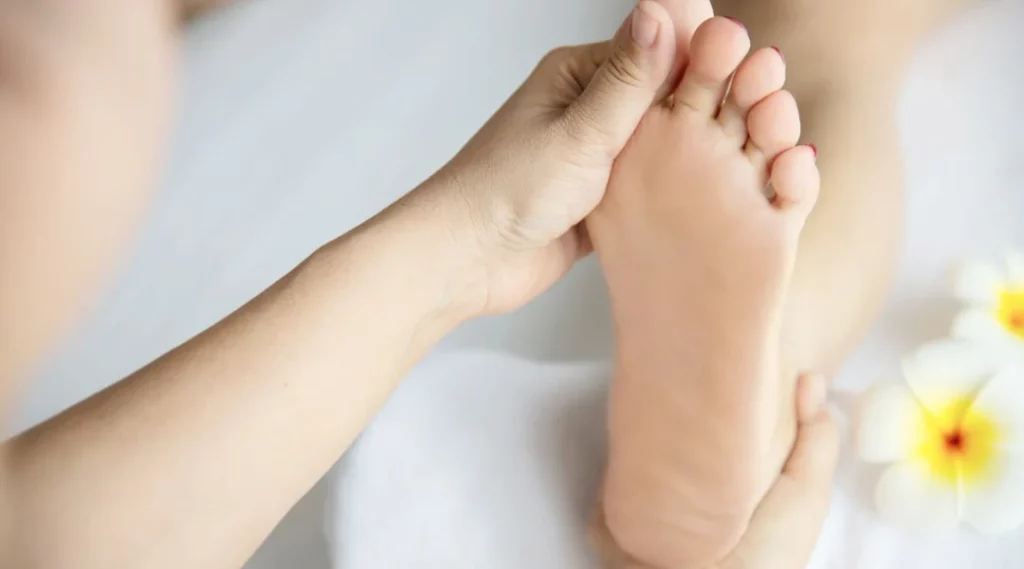
Our feet, these faithful companions that carry us throughout our lives, deserve special attention that we tend to neglect. Foot care is essential for our general well-being and mobility. In this article, we will explore the importance of foot care and the consequences of neglecting it. For more detailed information on foot care and professional advice, don’t hesitate to visit the website of the Clinique Podiatrique de Chomedey.
Foot care goes well beyond aesthetics. It is a crucial practice for maintaining our overall health. Our feet support our weight all day long and are constantly solicited. Regular foot care helps prevent many problems that can affect our quality of life.Firstly, foot care helps maintain good hygiene. Feet, often enclosed in shoes, are prone to perspiration and can become a breeding ground for bacteria and fungi.
Good foot care, including daily washing and thorough drying, can prevent infections such as athlete’s foot. Secondly, foot care helps prevent calluses and corns. These skin thickenings, although protective, can become painful if not treated regularly. Proper foot care, including the use of a pumice stone or exfoliant, can help keep foot skin soft and pain-free.
Neglecting foot care can lead to various complications. Ingrown toenails, for example, are often the result of improper nail cutting. A foot care routine including proper nail cutting can prevent this painful problem.
Heel cracks are another common consequence of lack of foot care. Not only are they unsightly, but they can also be painful and, in severe cases, become infected. Regular foot care, including moisturizing, can prevent and treat this problem.
Neglecting foot care can also lead to more serious problems. Diabetics, in particular, need to be vigilant as lack of foot care can lead to serious complications due to poor circulation and reduced sensitivity.

Incorporating foot care into your daily routine doesn’t need to be complicated. Here are some simple steps:
Clean your feet every day with lukewarm water and mild soap. Take the time to scrub all areas well, including the sole of the foot, the top, the sides, and between the toes. Use an antibacterial soap if you are prone to fungal infections. For deep cleaning, you can use a soft foot brush.
Make sure to dry your feet well, especially between the toes. Residual moisture can promote the growth of fungi and bacteria, leading to infections like athlete’s foot. Use a clean, dry towel, paying particular attention to the spaces between the toes.
Apply a moisturizing cream, avoiding the space between the toes. Choose a lotion or cream specific for feet, rich in moisturizing ingredients such as urea, glycerin, or hyaluronic acid. Massage the cream over the entire foot, focusing on dry areas like the heels and soles of the feet.
Once or twice a week, use a pumice stone or exfoliant to remove dead skin. Exfoliation helps keep foot skin soft and prevents callus buildup. Start by soaking your feet in lukewarm water for 5-10 minutes to soften the skin.
Regularly cut your nails straight to avoid ingrown nails. Use a special toenail clipper and cut straight across, without rounding the corners. The ideal length is just at the tip of the toes. After cutting, use a nail file to smooth the edges
Wear shoes that allow your feet to breathe and provide good support. Choose shoes made of breathable materials like leather or mesh fabric. Make sure there’s enough room for your toes and that the heel is well supported. Alternate your shoes daily to allow them to dry completely between uses.
Examine your feet regularly to detect any changes or potential problems. Check for cuts, scrapes, skin or nail discoloration, swelling, or pain. Pay particular attention to the spaces between the toes and under the feet. If you are diabetic or have circulation problems, this daily inspection is crucial.
Certain groups of people need to pay particular attention to foot care. Athletes, for example, put a lot of stress on their feet and are more likely to develop problems such as blisters or fungal infections. Adapted foot care, including the use of absorbent socks and particular attention to hygiene, is crucial for them.
Older people should also be vigilant in their foot care. With age, the skin becomes thinner and less elastic, making feet more vulnerable to injuries and infections. Regular foot care can help maintain mobility and independence for seniors.
Pregnant women are another group that particularly benefits from good foot care. Pregnancy leads to hormonal changes and weight gain that can affect the feet. Regular foot care can help relieve discomfort and prevent problems.

Although daily foot care can be done at home, it’s important to regularly consult a podiatrist. These professionals can provide specialized care, detect potential problems before they become serious, and offer personalized advice for foot care.
Podiatrists can treat a variety of problems, from corns and calluses to more complex deformities like bunions. They can also recommend custom orthotics to correct posture or gait problems.
Foot care has a significant impact on our overall health. Healthy feet contribute to better posture, which can reduce back, knee, and hip pain. Foot care also plays a role in our mental well-being. Painful or uncomfortable feet can limit our activities and affect our mood. By taking care of our feet, we ensure that we can stay active and fully enjoy life.
Foot care is much more than just a matter of aesthetics. It’s an often neglected necessity that has important repercussions on our health and quality of life. By incorporating a foot care routine into our daily lives and regularly consulting professionals, we can prevent many problems and maintain our mobility and overall well-being.
Remember that your feet carry you throughout your life – take care of them as they deserve. For more information on foot care and for professional advice tailored to your specific needs, visit the website of the Clinique Podiatrique de Chomedey. Your feet will thank you for the attention you give them!